
Ecuador
A country of astonishing variety - colonial cities, volcanic highlands, cloud-draped forests, Amazonian wilderness, and the most extraordinary wildlife archipelago on the planet.
Ecuador is one of South America's most underrated destinations - and one of its most rewarding. Despite being one of the smallest countries on the continent, it packs in an extraordinary range of landscapes, ecosystems, and experiences that would take far larger nations many times its size to rival.
In a single journey you can explore one of the finest colonial cities in the Americas, ride past snow-capped volcanoes towering to above 6,000 metres, soak in thermal springs at the foot of an active volcano, stand among the ruins of a pre-Columbian civilisation, wander through cloud forests alive with hummingbirds and orchids, venture deep into the Amazon, and then set sail for the Galápagos - an archipelago so unique, so teeming with fearless wildlife, that it quite simply has no equal anywhere on Earth.
Ecuador stands entirely on its own as a destination of remarkable depth and variety. Andean Dreams will ensure you experience it at its very best.
Destinations & Highlights
Quito
Perched at 2,850 metres above sea level in a long valley flanked by volcanic peaks, Quito is one of the most beautiful and best-preserved colonial cities in all of Latin America. Its historic centre - a UNESCO World Heritage Site and the first city ever to receive this designation - is a remarkable treasury of 16th and 17th century Spanish architecture, ornate churches, and vibrant plazas that bring Ecuadorian life spilling out onto the streets.
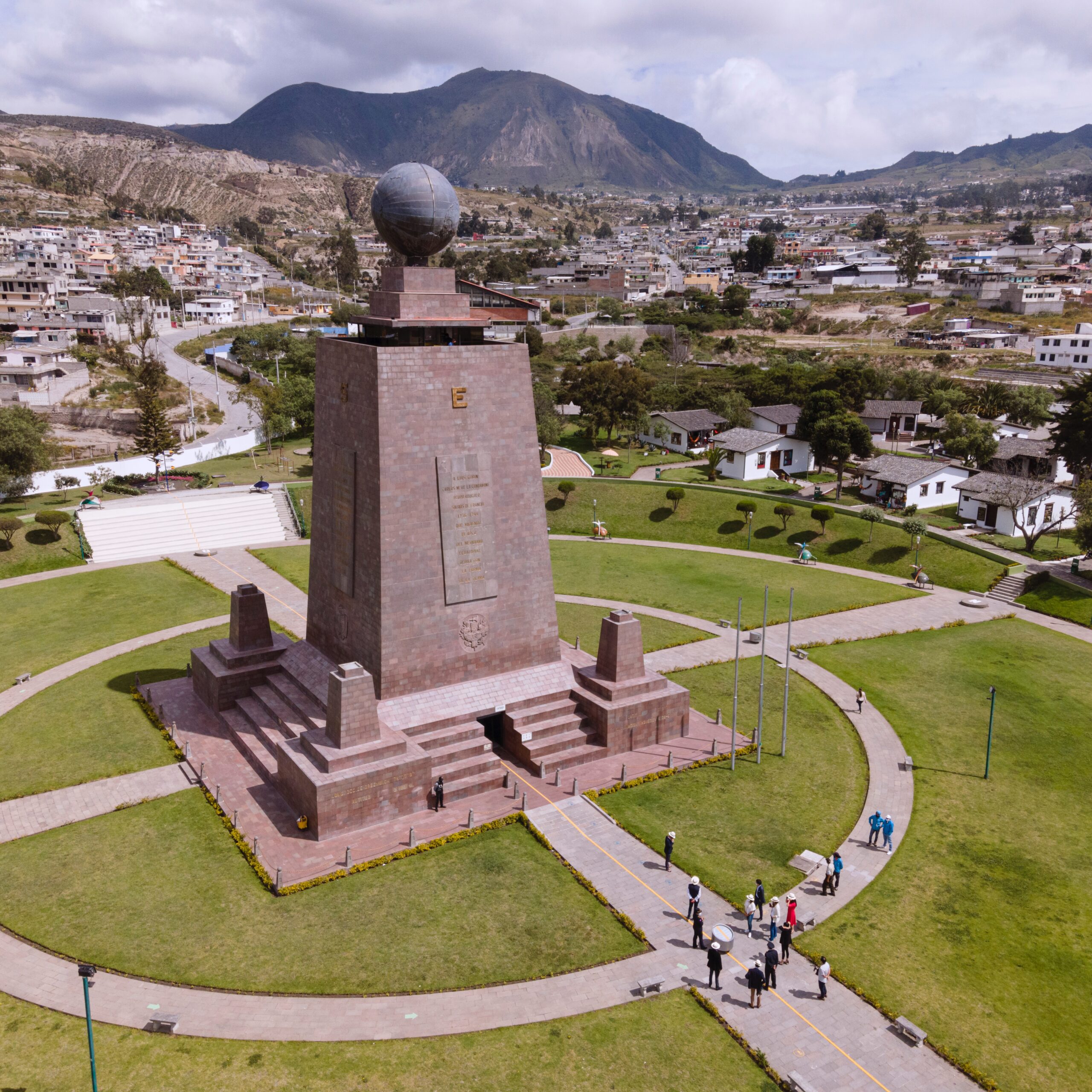
The Basilica del Voto Nacional, the Plaza de la Independencia, and the breathtaking gilded interior of La Compañía de Jesús church are among the finest sights in any South American city. The nearby Middle of the World monument marks the equatorial line itself - a genuinely enjoyable stop that offers a sense of just how extraordinary Quito's geographical position is.
Beyond the architecture, Quito has a growing reputation for excellent restaurants, creative arts, and a cultural scene that rewards those who take the time to explore it. It is also an ideal base for day trips - to the volcanic craters, to the craft markets of Otavalo, and to the cloud forests that lie just an hour or two from the city.
Quito is almost always the starting point for an Ecuador journey - and with a day or two to settle in, it is far more than just a gateway.
Avenue of the Volcanoes
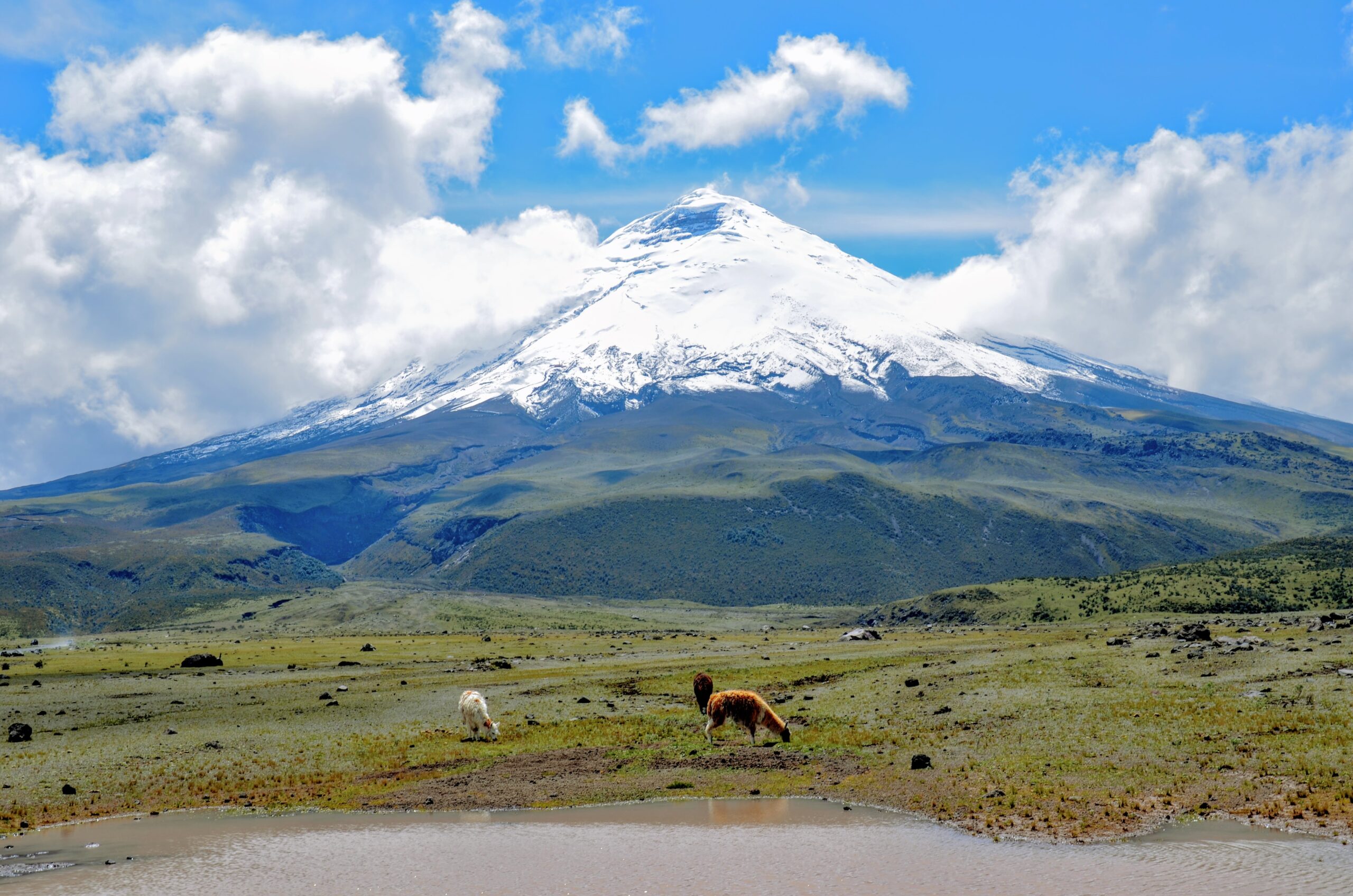
Alexander von Humboldt, the great 19th-century explorer and naturalist, named it the Avenue of the Volcanoes - and the description could not be more apt. Running south from Quito through the Ecuadorian highlands, this dramatic corridor is flanked on both sides by a succession of snow-capped volcanic peaks, many of them among the highest in the Americas.
Cotopaxi, at 5,897 metres one of the world's highest active volcanoes, dominates the landscape with its near-perfect conical silhouette. Chimborazo, at 6,263 metres, is technically the point on Earth furthest from its centre - a staggering thought to contemplate as you stand at its base. Both can be explored on private guided excursions, with the journey between them passing through some of the most spectacular highland scenery in South America.
Riobamba & Baños
The charming town of Riobamba sits beneath the shadow of Chimborazo and serves as a wonderful base for exploring the central highlands. It is also the departure point for one of Ecuador's most beloved experiences - the Devil's Nose train journey, a dramatic descent through a series of switchbacks on one of the most engineered railway lines in the world, with views that are simply unforgettable.
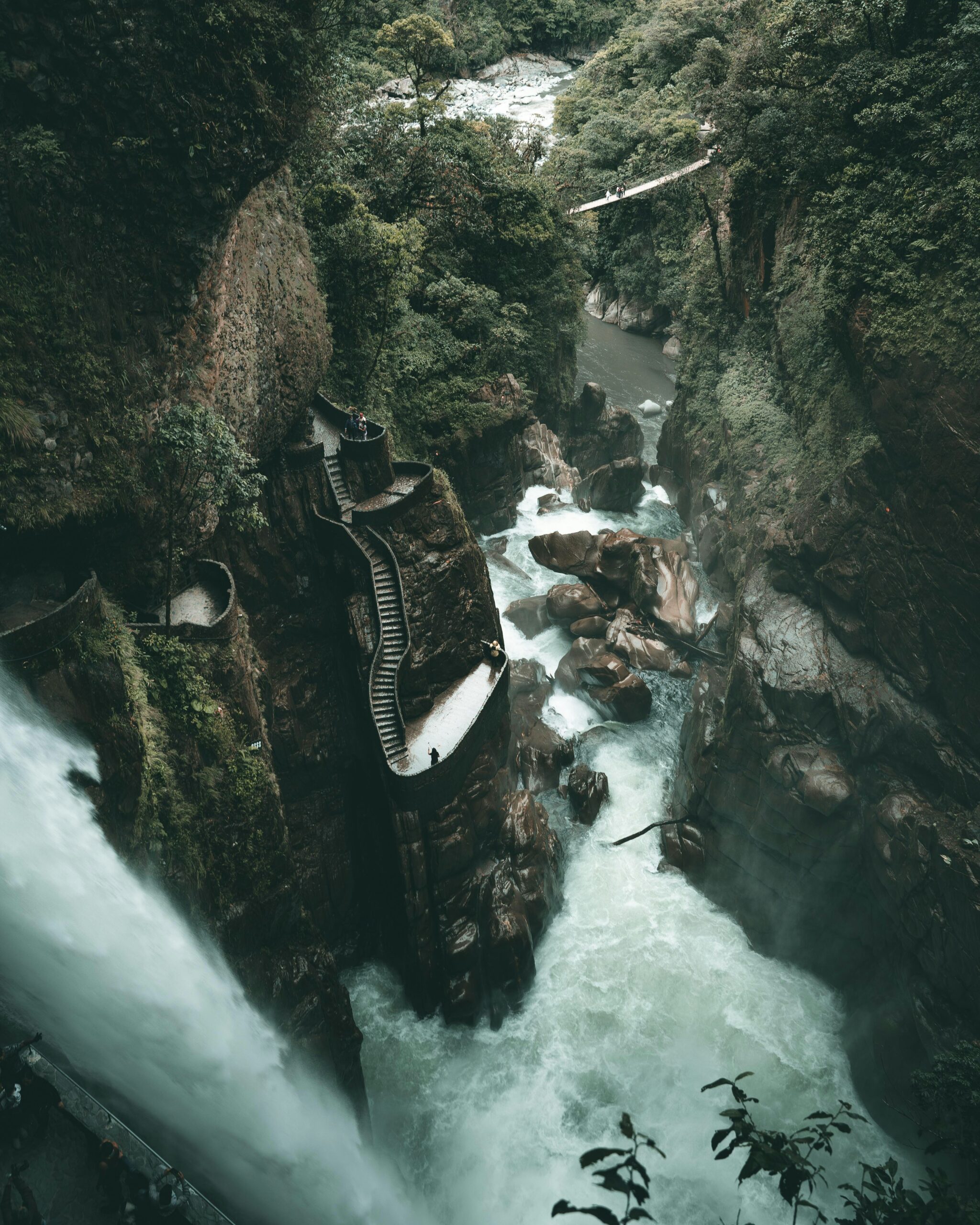
Further south along the avenue lies Baños de Agua Santa - a lively, welcoming town wedged between the flanks of the active Tungurahua volcano and the beginning of the Amazon basin. Famous for its thermal baths fed by volcanic springs, Baños is also a hub for adventure - zip-lining, canyoning, white-water rafting on the Pastaza River, and the iconic swing at the Casa del Árbol, which appears to launch you out over the edge of the volcano itself. It is an exhilarating contrast to the serenity of the highlands - and a place that visitors of all ages tend to love.
Ingapirca
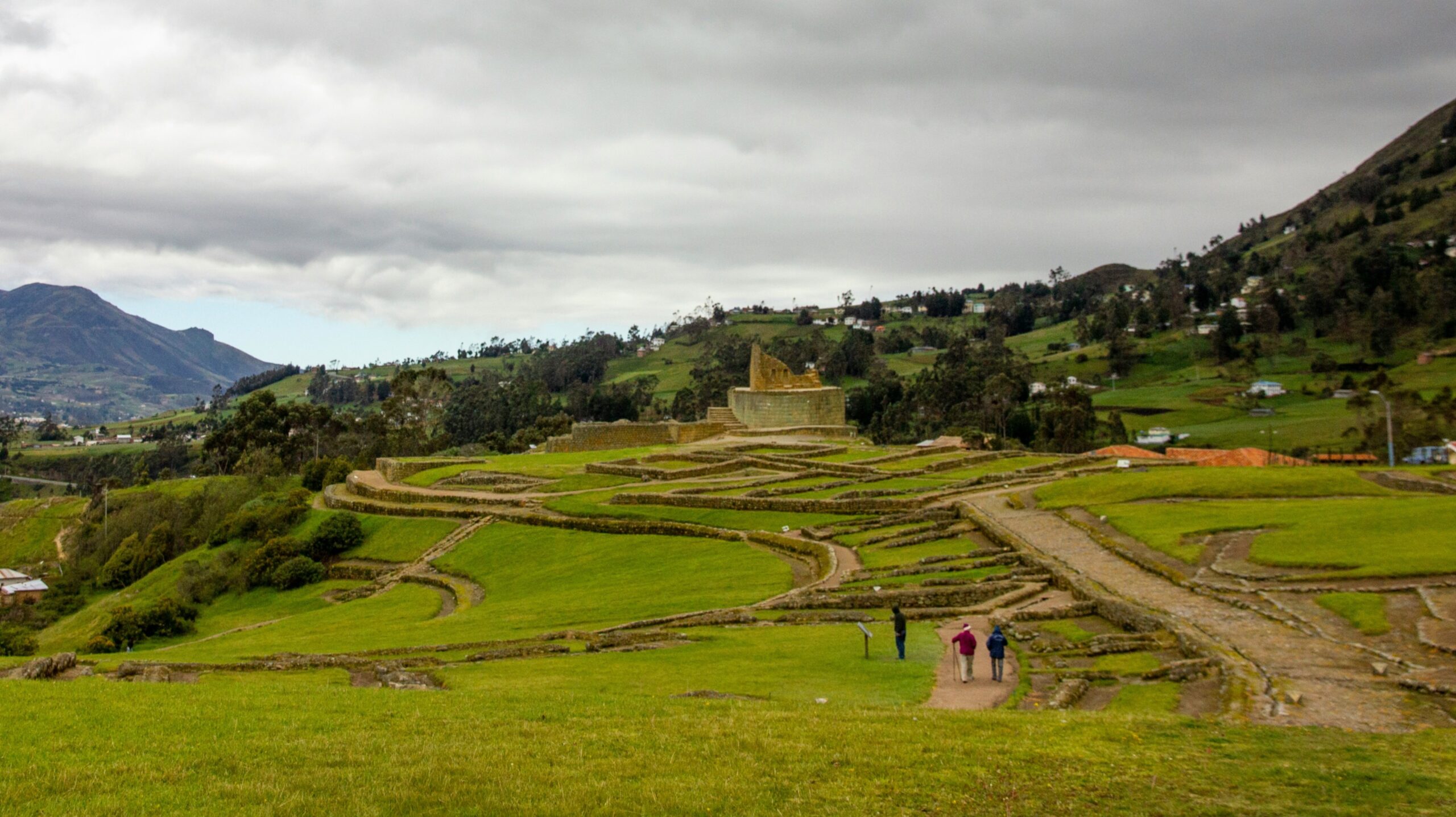
-Ecuador is less often associated with the Inca Empire than its neighbour Peru, yet the Inca road network extended deep into Ecuadorian territory - and the evidence of their presence survives to remarkable effect at Ingapirca, the largest and best-preserved Inca archaeological site in the country.
Located in the highlands of the Cañar province, roughly halfway between Riobamba and Cuenca, Ingapirca sits at around 3,160 meters above sea level in a landscape of sweeping páramo grasslands and quiet Andean beauty. The site's centerpiece is the Temple of the Sun - an elliptical structure built with the precision and artistry of stonework that so characterizes Inca construction, aligned with the movements of the sun in a way that reflects the profound astronomical knowledge of its builders.
Cuenca
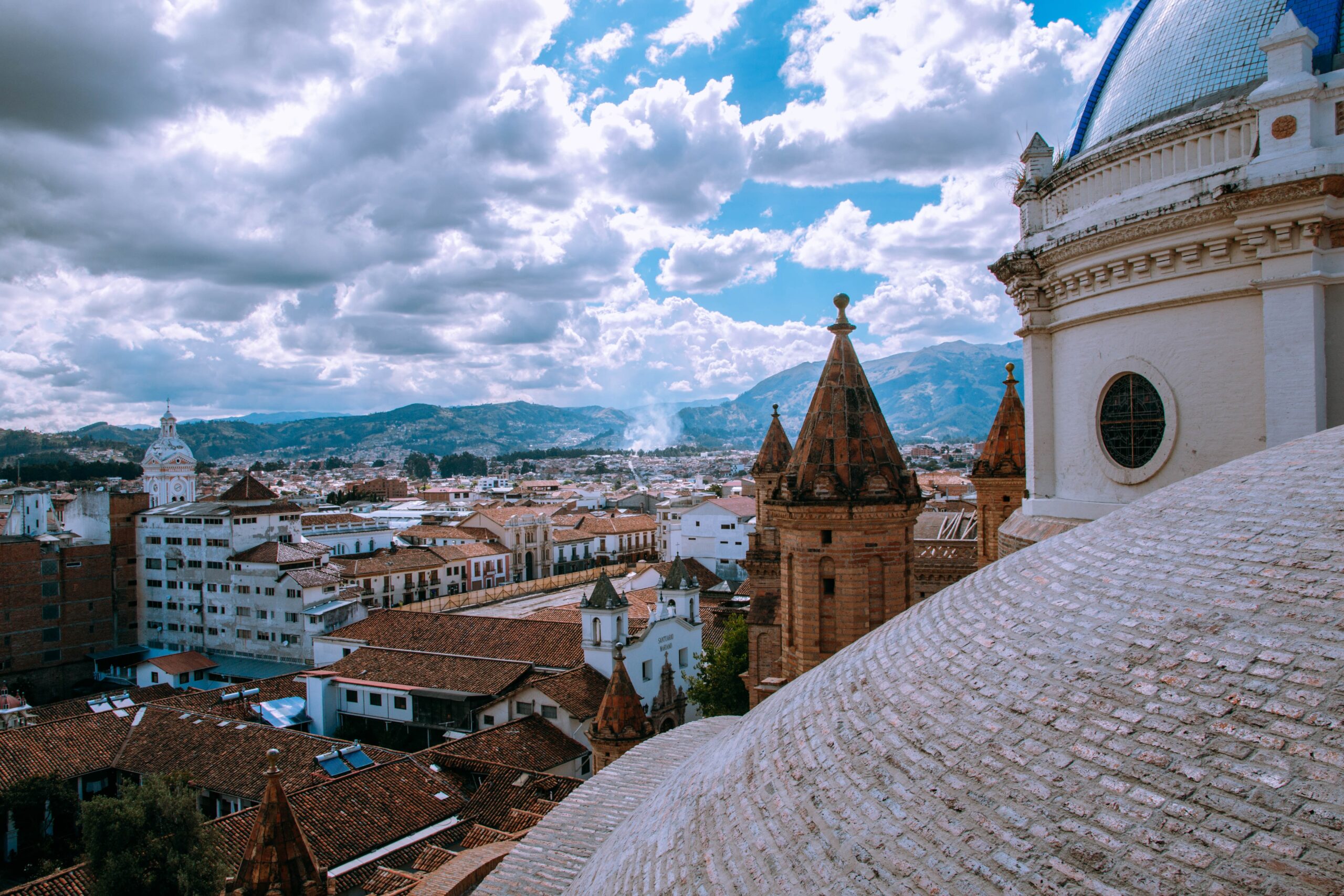
If Quito is Ecuador's capital and largest city, Cuenca is its soul. Set in a fertile Andean valley at 2,550 metres, watered by four rivers and surrounded by rolling hills, Cuenca is widely regarded as the most beautiful city in Ecuador - and it is easy to understand why.
Its perfectly preserved colonial centre provides a harmonious blend of cobblestone streets, flower-filled balconies, whitewashed buildings, and magnificent churches that together create one of the most photogenic urban landscapes in all of South America.
But Cuenca offers more than beautiful architecture. It is a city of culture and craftsmanship - home to the finest Panama hat workshops in Ecuador (the Panama hat, despite its name, has always been made here), talented artisans working in ceramics, jewellery, and textiles, and a thriving arts scene anchored by excellent museums.
Guayaquil
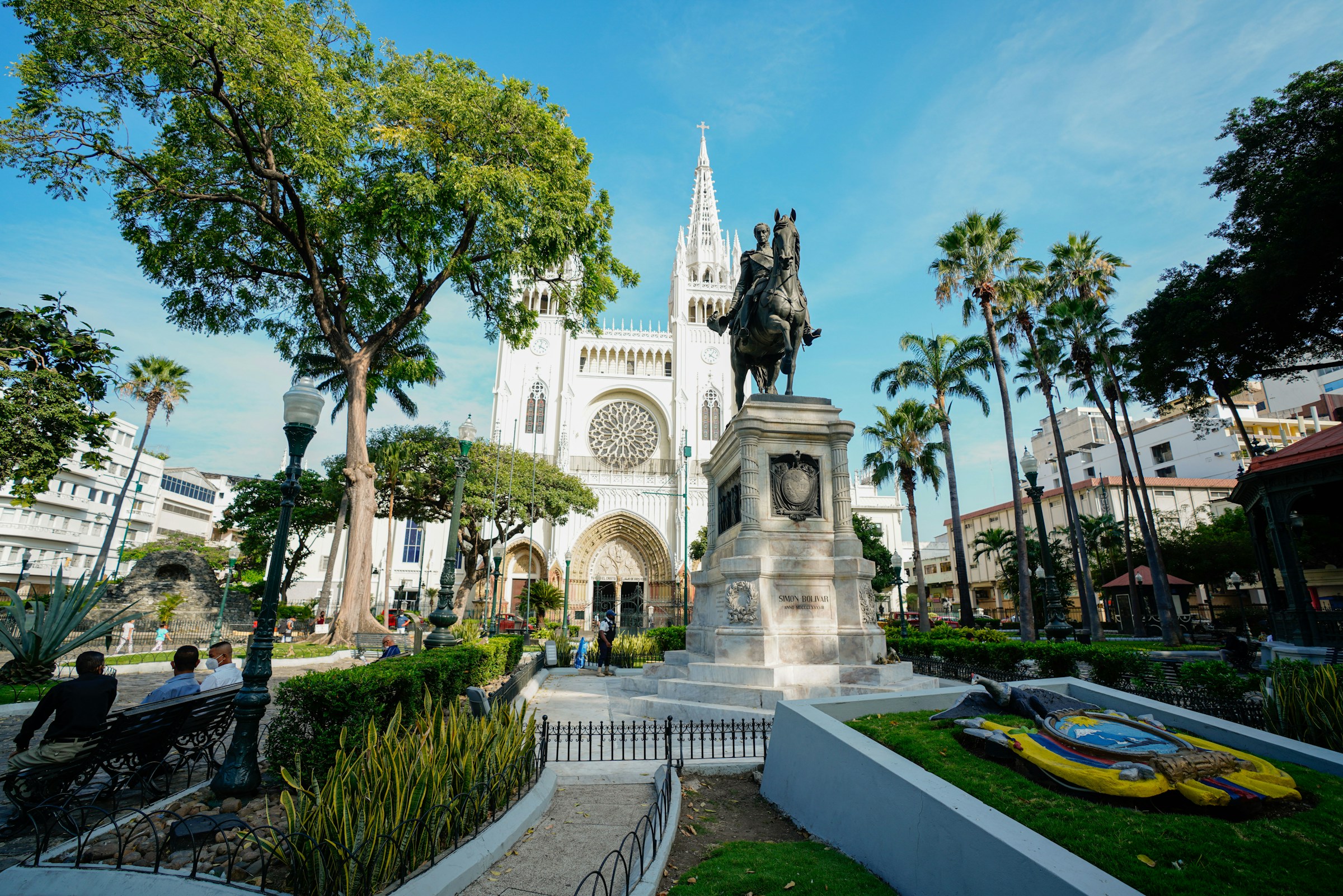
Ecuador's largest city and principal port, Guayaquil sits at the mouth of the Guayas River on the Pacific coast - a city of energy, commerce, and a riverside character quite unlike anything found in the Andean highlands. The city is the departure point for flights to the Galápagos, and it deserves more than just a transit stop.
The Malecón 2000 - a beautifully restored riverside promenade stretching along the waterfront - is the heart of modern Guayaquil, lined with gardens, restaurants, monuments, and views across the broad, brown river. The colourful hillside neighbourhood of Las Peñas, with its painted wooden houses, art galleries, and the lighthouse hill of Cerro Santa Ana, is the city's most charming quarter and a wonderful place to spend a morning.
The Cloud Forest
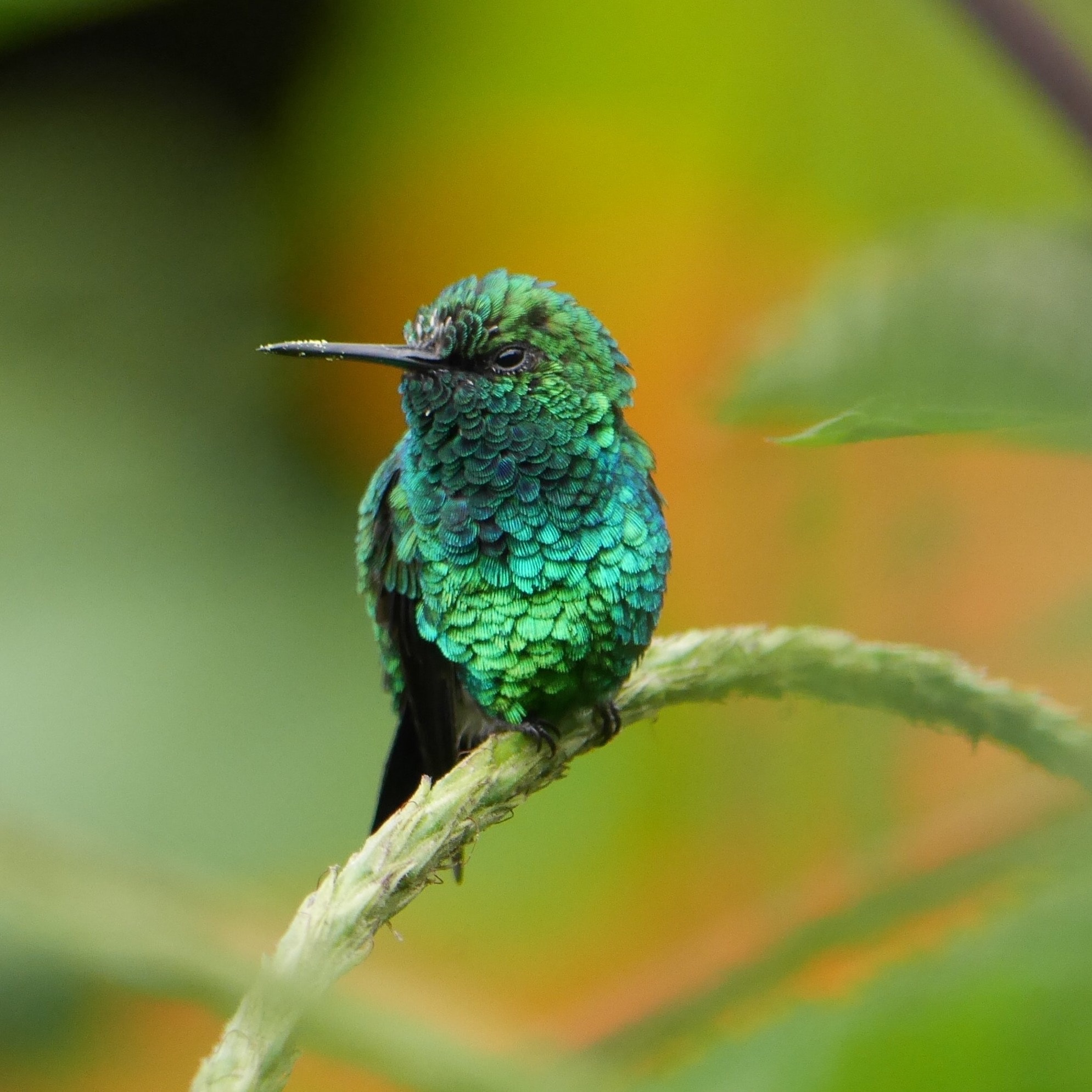
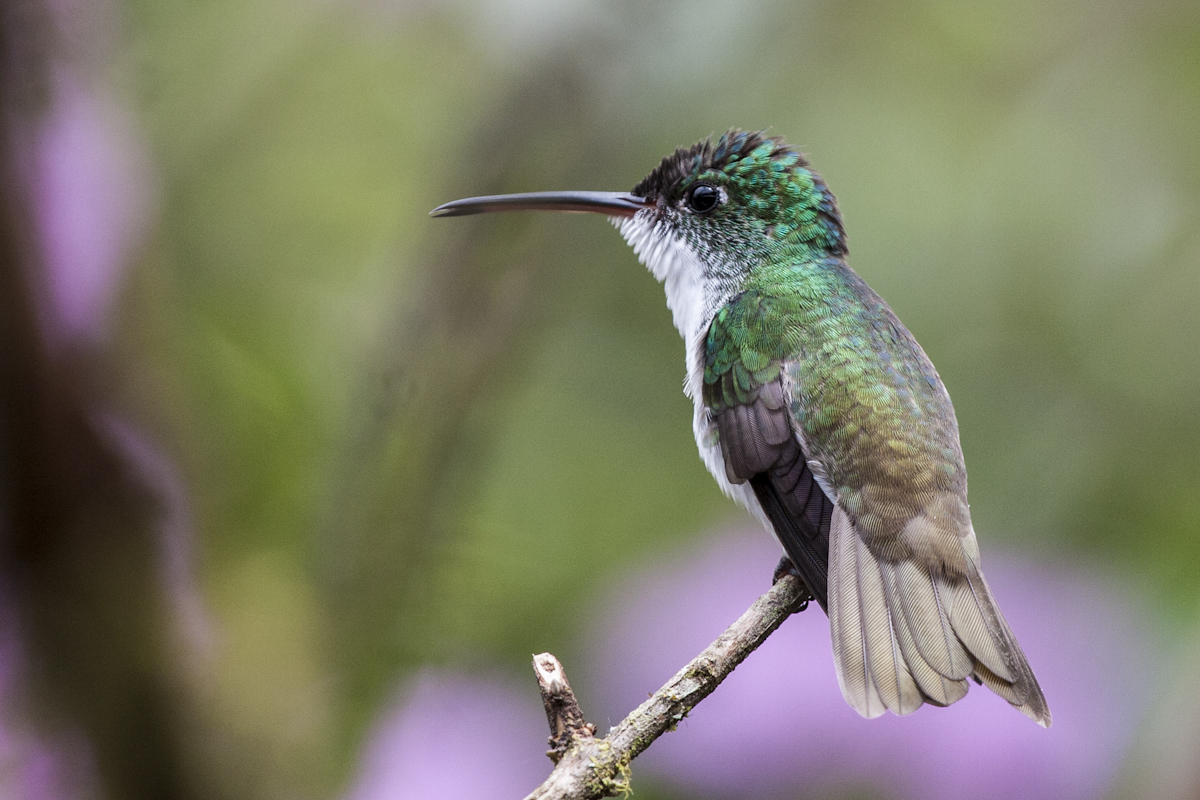
On the western slopes of the Andes, where the mountains drop steeply toward the Pacific coast, lies one of the most biodiverse habitats on the planet - the Ecuadorian cloud forest. Perpetually draped in mist, these lush, tangled ecosystems are home to an astonishing concentration of life: more than 500 species of bird, thousands of orchid varieties, and a density of wildlife that makes every walk an adventure.
The village of Mindo, set within a protected biosphere reserve a couple of hours from Quito, is the most celebrated gateway to the cloud forest - and for good reason. Its network of private reserves, canopy walkways, butterfly farms, and chocolate plantations offers a wonderfully immersive experience that contrasts beautifully with the drama of the highlands.
For those seeking an even more exclusive experience, the Mashpi Lodge reserve in the Chocó rainforest offers something truly exceptional. Nestled within a privately owned 1,300-hectare reserve of primary cloud forest northwest of Quito, Mashpi is one of the most celebrated eco-lodges in South America - a strikingly designed, all-inclusive retreat that places you at the heart of one of the most biodiverse ecosystems on Earth.
The Ecuadorian Amazon
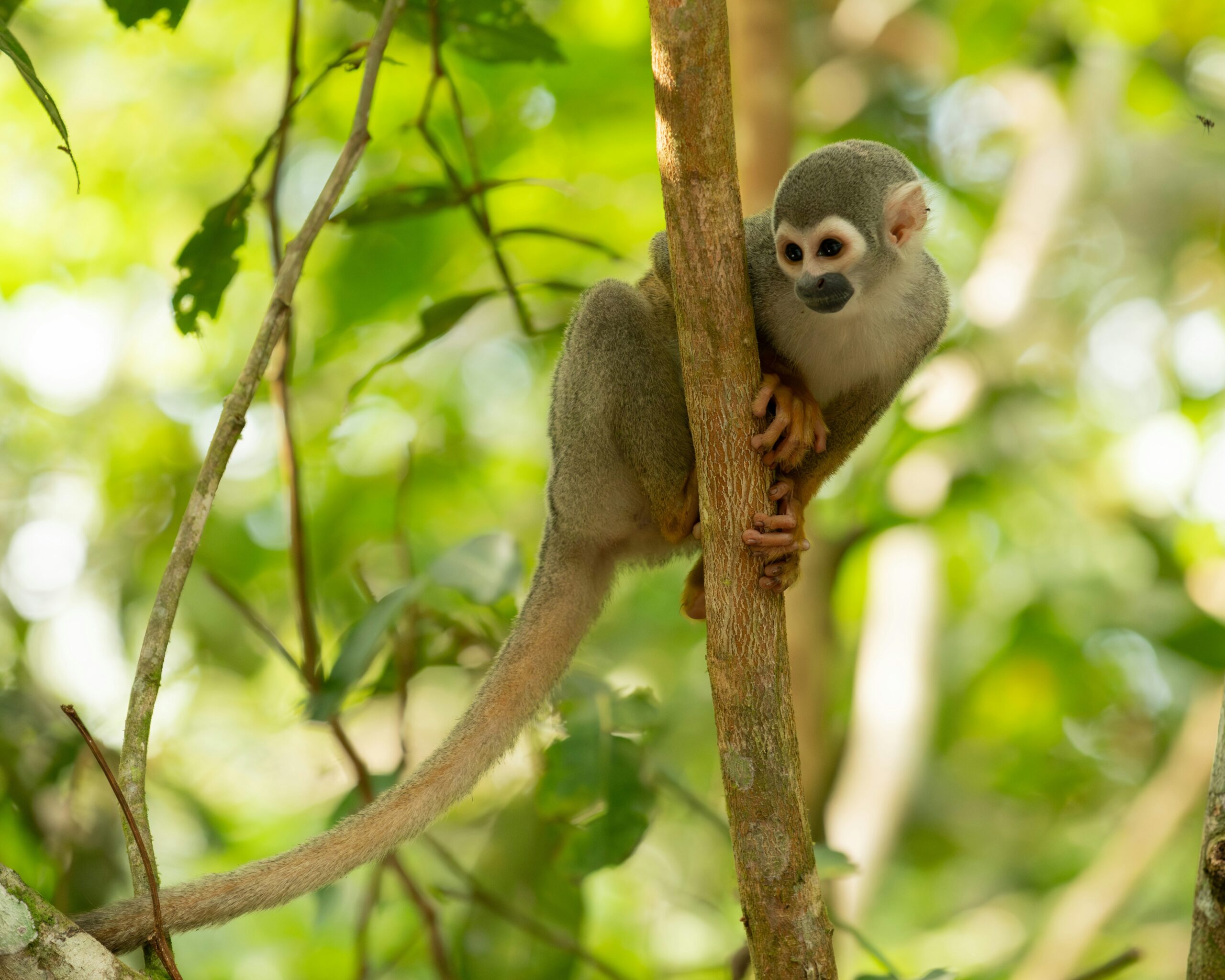
Ecuador's slice of the Amazon basin may be smaller than its Peruvian or Brazilian counterparts, but it is among the most biodiverse and best-preserved stretches of rainforest on Earth.
The Yasuní National Park, a UNESCO Biosphere Reserve, is widely considered one of the most species-rich places, sheltering jaguars, tapirs, giant river otters, hundreds of bird species, and indigenous communities who have lived in harmony with the forest for thousands of years.
Unlike the more heavily visited parts of the Amazon, Ecuador's jungle lodges tend to be smaller, more intimate, and deeper within the forest - offering a more personal and genuinely wild experience.
The Galápagos Islands
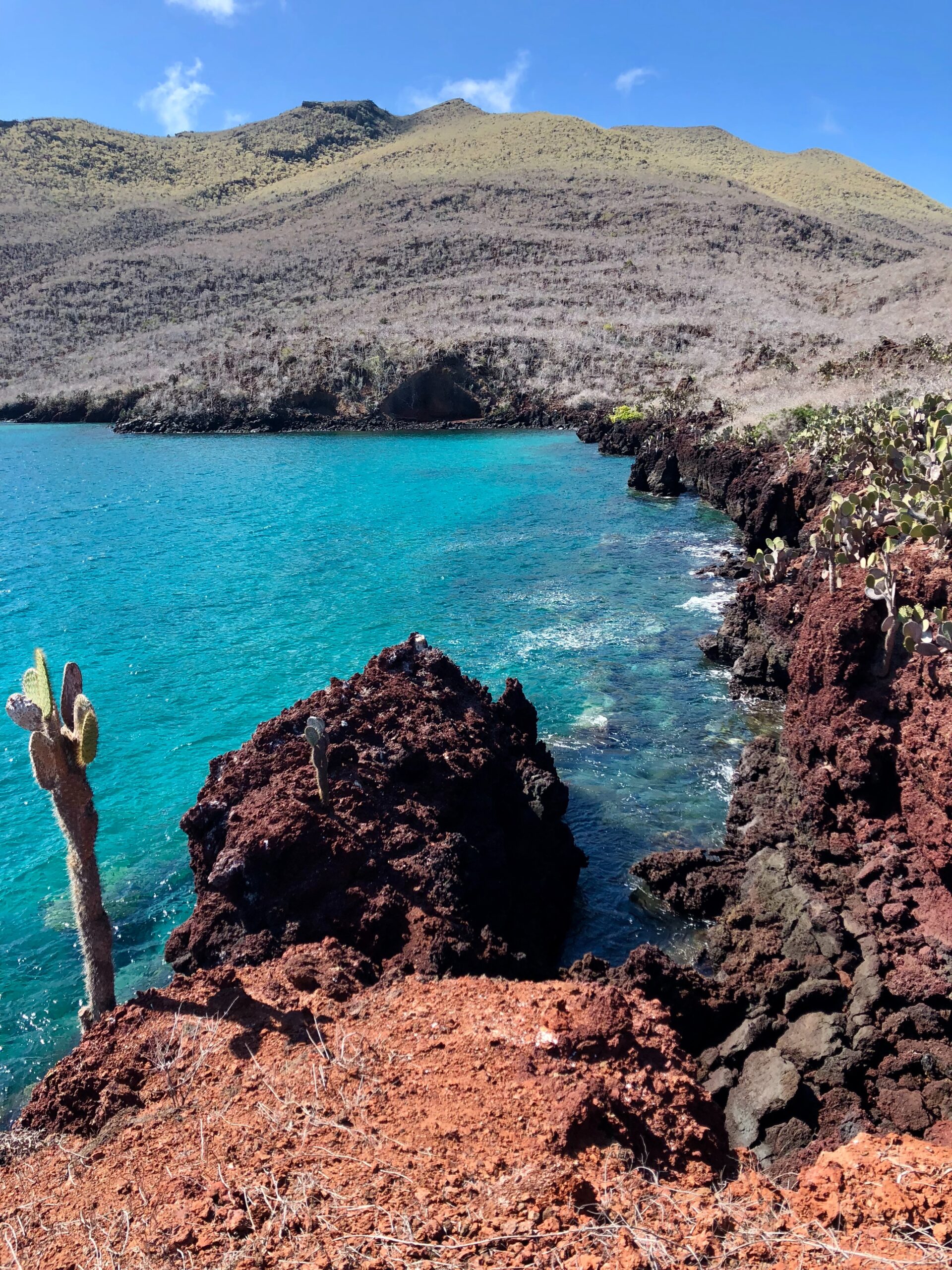
Six hundred miles off the coast of Ecuador, in the middle of the Pacific Ocean, lies one of the most extraordinary places on the planet. The Galápagos Islands - a volcanic archipelago of 19 islands and dozens of islets - inspired Charles Darwin's theory of evolution and remain to this day one of the world's most important and awe-inspiring natural laboratories.
What makes the Galápagos truly unique is not just the variety of its wildlife - extraordinary as that is - but the complete absence of fear in the animals that live there.
The Galápagos archipelago is home to an astonishing array of species found nowhere else in the world. Each island has its own distinct character and its own remarkable wildlife — meaning that every day of a Galápagos journey brings new discoveries.
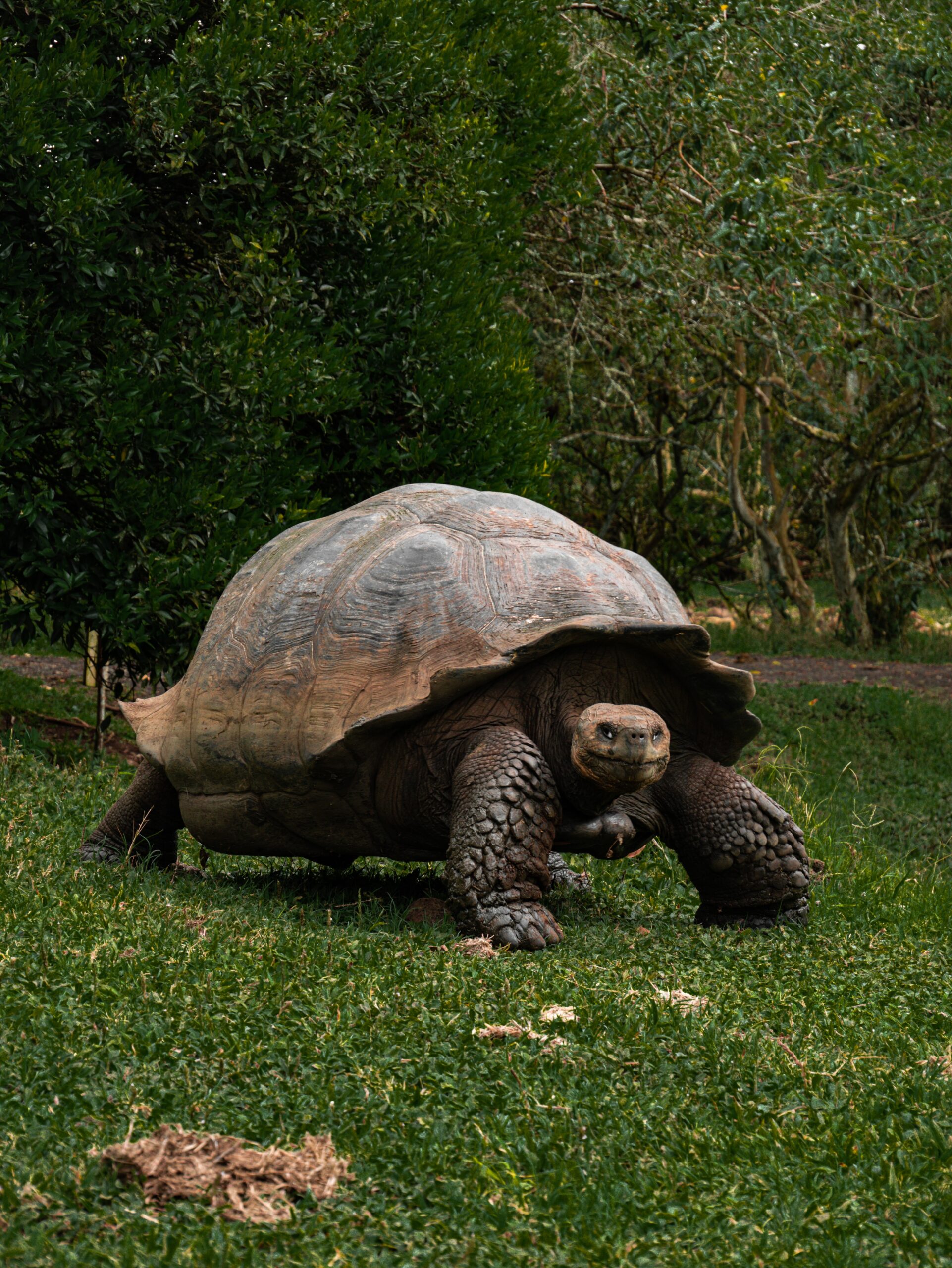
Snorkel with Galápagos sea lions and green sea turtles in crystal-clear waters. Watch the magnificent frigatebird inflate its scarlet throat pouch in an elaborate mating display. Walk among a colony of blue-footed boobies and observe the comic, charming rituals of their courtship dance. Encounter Galápagos penguins - the only penguin species found in the northern hemisphere - darting through the water with breathtaking speed. And come face to face with the iconic giant tortoise, one of the longest-lived animals on Earth, in its natural habitat.
The Galápagos offers a connection with the natural world that is unlike anything else on Earth - and it is an experience that stays with you for life.
Travelling in Ecuador
Ecuador is a year-round destination, and the best time to visit depends on what you most want to experience. The dry season on the mainland (June to September) brings clear skies and cooler temperatures ideal for highland travel, while the wetter months (October to May) see the Andes at their most lush and green, and the Amazon at its most vibrant.
The Galápagos is equally rewarding year-round, though different seasons bring different highlights. The warmer, wetter season (December to May) tends to bring calmer seas and excellent snorkeling conditions, while the cooler, drier months (June to November) bring the famous Humboldt Current, drawing extraordinary marine life including whale sharks, hammerhead sharks, and large schools of fish.
Planning and booking well in advance is essential for the Galápagos, and especially for private yacht charters. We strongly recommend getting in touch with us as early as possible to secure the best availability.
Itineraries to Consider
Darwin's Paradise
Enigmatic Ecuador
Untamed Wilderness
Ready to Explore Ecuador?
Whether the wildlife of the Galápagos has always been on your bucket list, the colonial splendour of Cuenca has caught your eye, or Ecuador's volcanic highlands have simply captured your imagination, we would love to help you plan the perfect journey.
Get in touch for a no-obligation conversation with our team. We respond personally to every enquiry, usually within 24 hours.